

2025 Home Design Trends That Will Transform Your Living Space
A homeowner staring at a blank living room finally sees it transform into a layered, textured sanctuary by embracing the rise of *warm minimalism*—where clean lines meet organic materials like limewash and oak. This trend works by stripping away clutter, then reintroducing depth through tactile surfaces, sculptural lighting, and earthy palettes that turn every corner into a quiet statement. The payoff is immediate: a space that feels both effortlessly curated and deeply lived-in, boosting daily comfort without sacrificing style or function. Adopt it by starting with one oversized natural-fiber rug, a curved bouclé chair, and a single dramatic pendant—then let the room dictate the rest.

Why Current Decor Directions Matter for Your Daily Comfort
Current decor directions matter for your daily comfort because they prioritize how a space *feels*, not just how it looks. Trends like biophilic design bring nature indoors, which lowers stress and improves air quality, directly impacting your relaxation after a long day. Similarly, warm minimalism replaces cold, stark spaces with layered textures and cozy neutrals, reducing visual noise that can mentally exhaust you. Flexible furniture layouts—a hallmark of modern trends—let you shift from work mode to lounging without rearranging heavy pieces, making your home adapt to your real-life routines. Even smart lighting trends, like adjustable color temperatures, align with your circadian rhythm, helping you sleep better and feel more energized. By following these directions, you’re not chasing fads—you’re creating a sanctuary that actively supports your physical and emotional well-being every single day.
How Shifting Styles Affect Room Functionality and Mood
Shifting design styles directly alter how a room performs and feels. Swapping bulky furniture for slim, modular pieces instantly frees floor area, converting a cramped living space into one that supports yoga or social gatherings. Color palettes, too, matter: moving from dark, saturated walls to light, neutral tones reflects more daylight, making a small office feel less oppressive and boosting focus. Likewise, replacing hard-edged decor with rounded, textured elements softens acoustics and visual stress, promoting relaxation in bedrooms. A style shift from formal symmetry to an asymmetrical layout can redefine circulation paths, making daily movement smoother. This is why style shifts are practical tools for emotional and functional tuning, not just cosmetic changes.
**Q: How do shifting styles affect room functionality and mood?**
A: They change traffic flow, storage access, light reflection, and sensory input, which directly influences whether a space feels efficient or chaotic, calm or energizing.
The Real Payoff of Aligning Your Space With Modern Aesthetics
Aligning your space with modern aesthetics delivers a tangible payoff by reducing visual clutter, which directly lowers daily cognitive load. When your decor reflects current design directions, you spend less mental energy compensating for awkward layouts or dated color schemes, freeing attention for relaxation or focused work. This alignment also improves functionality, as contemporary trends prioritize furniture that fits actual living patterns, such as modular seating or task-specific lighting. The result is a room that works harder for you, where movement feels intuitive and comfort becomes automatic rather than something you constantly adjust. The real payoff of aligning your space with modern aesthetics is a quieter, more efficient daily routine, since every surface and object supports how you actually live—not how decorators imagine you should. That practical shift makes daily comfort feel effortless and sustainable.
Key Elements That Define Today’s Most Popular Interior Looks
Today’s most popular interiors are defined by a deliberate fusion of biophilic materials and sculptural simplicity, where raw texture—limewash walls, travertine, and live-edge oak—anchors spaces in organic warmth. The palette leans into earthy neutrals, yet the true hallmark is contrast: polished microcement floors against nubby bouclé, or matte black steel framing soft linen drapes. Curved silhouettes in sofas and arched doorways soften geometry, while sculptural pendant lights act as functional art.
The defining shift is from “decorated” to “curated,” where every piece must justify its presence through tactile or visual weight.
Layered lighting—recessed, task, and accent—creates mood zones, and oversized indoor plants bridge the gap between minimalist bones and lived-in vitality. Ultimately, it’s less about following a single style and more about composing a sensory, cohesive narrative that feels simultaneously grounded and aspirational.
Textures, Finishes, and Color Palettes Dominating New Spaces
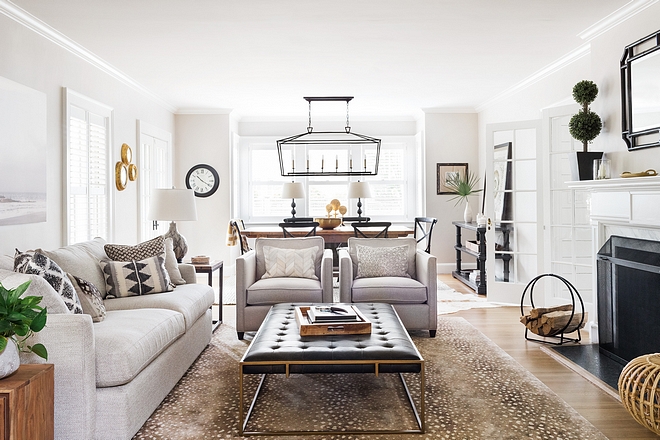
Textures, finishes, and color palettes dominating new spaces lean heavily on tactile contrast and grounded neutrality. Matte microcement walls pair with limewash plaster to create soft, chalky surfaces, while brushed brass and unlacquered bronze offer muted, non-reflective accents. Palettes shift toward warm greiges, sage greens, and clay-toned terracottas, replacing stark white with depth. For finishes, fluted wood panels and ribbed glass introduce vertical rhythm, while raw travertine and honed quartzite appear on countertops and backsplashes, prioritizing organic imperfections over polished uniformity. High-gloss lacquer is reserved for cabinetry only, and fabric palettes favor bouclé, shearling, and slub linen in tonal earth shades.
Textures, finishes, and color palettes dominant in new spaces combine tactile matte surfaces, warm earthy neutrals, and reclaimed stone hits to create layered, quiet interiors.
Furniture Shapes and Layouts That Prioritize Flow and Flexibility
Curved sofas and modular sectionals anchor living spaces without blocking sightlines, directing movement around seating islands rather than forcing traffic through tight gaps. Prioritize flow and flexibility by choosing lightweight pieces on casters or with recessed bases, allowing quick reconfiguration for social clusters or solo lounging. Avoid oversized armchairs that disrupt pathways; instead, use ottomans or backless benches that slide under tables when unused. Multi-directional layouts, such as floating furniture away from walls, create natural circulation loops. *A single pivoting chair can transform a static corner into an adaptable reading nook or extra guest seat*. Choose nesting tables or foldable desks to adjust footprint on demand, ensuring every shift in activity remains unobstructed. Depth-wise, keep central aisles at least 24 inches for comfortable passing.
Practical Ways to Blend Trending Styles With Your Existing Furniture
Start by introducing a trending accent—like a sculptural bouclé chair or a rattan pendant—next to your solid-wood dining table. This creates a high-low mix that feels intentional, not disjointed. Reupholster just your sofa’s throw pillows in a trending texture (e.g., shearling or velvet) to test the vibe without committing to a full redo. Swap out hardware on dressers or cabinets for brushed brass or matte black, a quick way to nod to modern industrial or organic modern trends. Paint one existing sideboard in a trending earthy tone like sage or terracotta, then pair it with your current leather sofa. Can you blend a curved, modern mirror with traditional wooden furniture? Absolutely—the mirror’s soft lines contrast beautifully with angular pieces, adding lightness and depth. Finally, layer in trend-led textiles—a chunky knit throw or a geometric wool rug—to pull everything together while keeping your core anchors unchanged.

Mixing New Accents With Heirloom Pieces Without Visual Clash
To mix new accents with heirloom pieces without visual clash, anchor your strategy in a shared material palette rather than matching eras. Place a sculptural, modern resin vase beside a patinated brass lamp—unify them by repeating the brass’s warm undertones in the vase’s metallic glaze. Likewise, use **neutral upholstery as a visual buffer**; a contemporary linen sofa lets a carved mahogany chest shine without fighting for attention. Introduce trending colors only through small, movable objects—ceramic stools or graphic pillows—that echo tones already present in your antique rug’s weave. This creates a dialogue, not a collision. Q: What if my heirlooms feel too ornate for clean-lined accents? A: Distract with scale—pair a heavy armoire with an oversized, airy paper pendant lamp; its sheer volume shifts focus from conflicting styles to harmonious proportion.
Budget-Friendly Swaps That Immediately Refresh a Room’s Vibe
Refreshing a room’s vibe on a budget starts with swapping high-impact, low-cost items rather than investing in new furniture. Replacing dated throw pillows with textured, trend-forward covers instantly shifts the visual weight of a sofa, while a single bold area rug redefines the entire floor plan. Swapping out heavy drapes for sheer linen or adjusting lamp shades to warm, sculptural shapes changes the ambient mood without any structural work. Additionally, updating hardware—like cabinet pulls or drawer knobs—on existing pieces offers a subtle, modern touch. These targeted, budget-friendly swaps for an instant room refresh let you adopt seasonal aesthetics while preserving your core investment pieces.
How to Choose the Right Design Direction for Your Home’s Size and Light
Choosing a design direction begins with an honest audit of your home’s square footage and natural light. In compact spaces, lean into minimalism and built-in joinery to reduce visual clutter, while large-format tiles and continuous flooring visually expand the room—a trend that also works well in dim interiors because fewer grout lines mean fewer shadows. For low-light homes, prioritize warm off-whites and matte finishes that reflect existing luminance without glare, rather than stark pure white. Conversely, if you have generous windows and tall ceilings, embrace dramatic, darker accent walls and layered textures to anchor the volume. Always test paint and material samples in situ at different times of day, since light shifts. Ultimately, the right direction balances spatial constraints with light quality, not just following a trend blindly.

Selecting Styles That Complement Small Apartments vs. Large Open Plans
In compact apartments, prioritize furniture with visible legs and slim profiles—mid-century or Scandinavian styles prevent visual bulk, letting walls recede. Avoid heavy, tufted sofas or ornate moldings that swallow square footage. For large open plans, embrace grandeur through layered textures and oversized, sculptural pieces; a sprawling sectional or a dramatic, rustic dining table anchors the space without feeling lost. The trick is **scaling proportions to room volume**, not just floor area. Use low, horizontal storage in small rooms to draw the eye sideways, while tall shelving and statement lighting in vast lofts add vertical drama. Match material weight to spatial breath—airy linen for snug studios, rich velvet or distressed leather for expansive layouts.
Selecting styles that complement small apartments versus large open plans means choosing slim, lightweight furniture for tight spaces and bold, oversized statement pieces for expansive rooms, always scaling proportion to volume.
Adjusting Trends for Low-Natural-Light Rooms vs. Sun-Filled Spaces
In a sun-drenched room, embrace bold, saturated hues and high-contrast maximalism, as natural light tempers their intensity. For low-light spaces, the trend shifts toward warming neutrals and reflective surfaces—think glossy tiles or lacquered finishes—to bounce every photon around. Strategic lighting layering becomes your design linchpin, letting you adopt dark, moody aesthetics without creating a cave. Sun-filled areas can handle deep jewel tones and heavy textures; dim rooms demand luminous, translucent fabrics and lighter wood tones to compensate. Always audition a trend in situ, observing how shadows alter its character across the day, before committing to a full-scale transformation.
- In dark rooms, prioritize glossy finishes and metallic accents to maximize light reflection.
- For sun-filled spaces, lean into matte textures and saturated color blocks that won’t wash out.
- Use sheer or semi-sheer window treatments in low-light rooms to maintain trend-forward layering without blocking precious daylight.
Common Mistakes to Avoid When Adopting Popular Interior Concepts
The biggest mistake is treating a trending concept like a rigid checklist—copying a Pinterest-perfect Japandi or maximalist room without adapting it to your home’s architecture, light, and daily habits. This creates a disjointed, museum-like space that feels alien. Another common error is over-accessorizing to chase the “wow” factor, leading to visual chaos and clutter, which directly contradicts the calm most trends promise. Also, ignoring scale and proportion—like squeezing a massive sectional into a compact living room—kills flow. Before committing, ask yourself: *Does this trend solve my storage or comfort pain points, or just add visual noise?* Finally, mixing too many hot styles at once (e.g., industrial, organic, and retro) drains cohesion. Anchor one trend as your base and use only subtle, removable accents from others to keep your space livable and timeless.
Overloading a Room With Too Many Competing Focal Points
When you’re styling a trendy space, it’s tempting to let every viral idea—a bold accent wall, a sculptural chandelier, a vintage velvet sofa—compete for attention. But piling on too many eye-catching elements creates visual chaos, not a cohesive look. Too many competing focal points make a room feel restless and smaller, because your eye never finds a place to land. Pick one hero piece, then let the others recede as supporting players. Even in maximalist trends, a single dominant zone keeps the energy playful instead of overwhelming.
- Choose one anchor (fireplace, art, or oversized sofa) and align other décor to it.
- Neutralize secondary features—use muted colors or simpler silhouettes for everything else.
- Test a “blink test”: glance at the room for three seconds; if you can’t name the main focus, remove one striking item.

Ignoring Practical Needs Like Storage and Durability for Looks Alone
When adopting popular interior concepts, prioritizing aesthetics alone often leads to neglecting essential storage and durability, which undermines daily function. A sleek, minimalist living room with open shelving may look stylish but fails to hide clutter, forcing constant tidying. Similarly, trendy materials like untreated plywood or delicate bouclé fabrics can stain or wear quickly in high-traffic households. However, choosing robust finishes and hidden compartments does not mean sacrificing the visual appeal of a trend. Evaluate each design choice against how it will endure real-world use, such as children, pets, or frequent cooking. This ensures the concept remains practical, not just photogenic.
- Measure existing belongings before committing to open or floating shelving units.
- Select performance fabrics or sealed surfaces for pieces that receive heavy contact.
- Incorporate built-in drawers or cabinets that match the trend’s visual language.
- Test material samples for scratch and moisture resistance before purchase.
Step-by-Step Guide to Testing a New Decor Style Before Committing
Before overhauling your living room with a trending style, start by creating a digital mood board—collect swatches, textures, and furniture silhouettes from current design platforms to visualize the aesthetic’s core elements. Next, physically test the vibe with removable peel-and-stick wallpaper on one accent wall and drape thrifted fabric over your sofa to mimic upholstery changes. Rearrange existing pieces to echo the new layout, then live with this temporary setup for a week, photographing it daily to spot what feels forced. **The most honest test is isolating three defining traits—like a color palette, material mix, or furniture shape—and introducing them as small decor objects rather than permanent fixtures.** If you’re torn between two trends, create a mini vignette in a corner: one styled boho, one minimal, and switch them biweekly. Q: How long should this trial last? A: Give it at least ten days to override initial novelty and assess daily practicality. Finally, swap back to your old style for two days—if the space feels flat without the new elements, that’s your signal to invest gradually in key impact pieces while keeping the rest neutral.
Creating a Low-Cost Mood Board and Sample Corner in Your Own Home
Begin by dedicating a spare wall or large corkboard to your low-cost mood board and sample corner, layering paint swatches, fabric remnants, and magazine cutouts in your candidate palette. Pin up flooring chips and trim samples vertically so you can observe them in natural daylight, not flat on a table, which distorts texture and tone. Add a shelf beneath for heavier objects like tile pieces, drawer pulls, or a small lampshade, ensuring your selections are touchable and replaceable. Use binder clips instead of adhesive to avoid residue, and swap out one element weekly to test how colors interact with changing light. This physical setup costs under twenty dollars using found materials, yet it reveals how seagrass, linen, and brushed nickel truly coexist before you commit to paint or upholstery.
Using Temporary Elements Like Rugs, Pillows, and Wall Art as Trial Runs
Before repainting walls or replacing furniture, deploy temporary style trials through low-commitment textiles and hangables. Lay a large jute rug to test earthy textures, then stack velvet pillows in a bold hue to gauge how much saturation your space tolerates without permanent alteration. Wall art, especially unframed prints or washi tape, maps visual weight and scale against your existing layout. Observe how these elements interact during different times of day, because lighting shifts their perceived color and mood dramatically. Commit to a piece only after living with it for a week. This staged approach prevents costly errors while revealing your genuine response to the emerging aesthetic, allowing organic refinement before any permanent investment.
Frequently Asked Questions About Updating Your Home’s Appearance
When updating your home’s appearance, the most frequent question is whether to follow a trend or prioritize longevity. Aim for timeless foundations—like neutral walls and classic flooring—then layer trend-forward accents such as bold hardware or textured textiles. Another common query: “How do I know which trends fit my space?” Evaluate your natural light and room proportions first, because a dark, dramatic palette that works in a loft can overwhelm a cozy bungalow. Many homeowners also ask about mixing styles without chaos; the answer lies in repeating one material or color family across at least three elements. What feels fresh today often becomes dated in two years, so invest in permanent changes sparingly while saving trendy pieces for easily swappable decor. Finally, if budget is tight, prioritize paint and lighting—these two changes deliver the highest visual impact per dollar.
How Often Should You Refresh Your Interior Style?
There is no universal clock, but a practical rule is to refresh your interior style every **three to five years** to keep it feeling current without losing your personal identity. This window aligns with natural wear and shifting trends, preventing your space from becoming stale or dated. Start by swapping soft furnishings and accent décor annually for a low-cost update, then reassess larger pieces like sofas every three years. If your layout homebrella.com or lifestyle changes sooner, that’s your signal to act. Trust your daily comfort over calendar pressure—when a room feels uninspiring, it’s time. A structured rhythm ensures every update feels intentional, not chaotic.
Can You Combine Two Different Trends Successfully in One House?
Yes, you can combine two different trends successfully in one house, provided you anchor them with a shared neutral palette and consistent materiality. Instead of splitting rooms into opposing styles, overlay one trend as the dominant base and the other as accent details—for example, pairing modern minimalism with warm, organic touches through lighting, texture, or furniture silhouettes. This prevents visual chaos while still delivering a layered, intentional look. Choose trends with complementary shapes or color undertones, then test the combination in one high-traffic area before committing. A successful blend feels curated, not confused, because every piece earns its place through a unified spatial rhythm.
Layered trend integration works when you limit each trend to about 70/30 proportion, allowing one style to lead and the other to whisper.
Q: Can You Combine Two Different Trends Successfully in One House?
Yes—if you define a clear hierarchy, repeat a single accent color or material across both styles, and avoid competing focal points in the same line of sight.