

Play at Offshore Online Casinos for Bigger Bonuses and Total Freedom
Offshore online casinos are a lifeline for players who feel let down by local options, offering a private space where you can play on your own terms. They work by hosting games on foreign servers, letting you log in from anywhere with an internet connection and access a world of slots and tables that might otherwise be out of reach. For you, the real benefit is uncompromised freedom and flexibility, from diverse payment methods to around-the-clock availability, all designed to match your personal pace and comfort. Simply choose a trusted site, create your account, and you can start exploring your favorite games without ever leaving home.
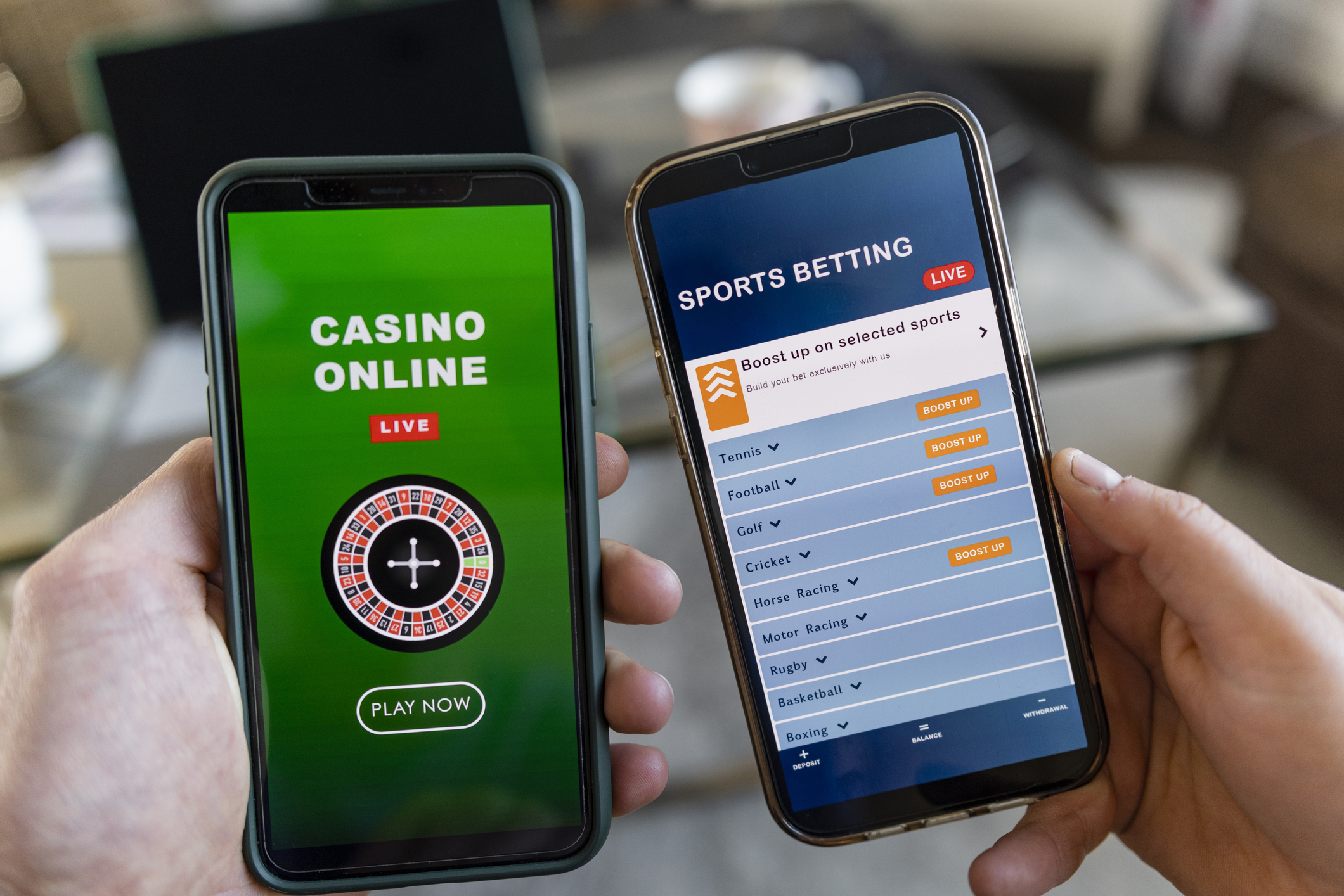
What Exactly Makes a Casino “Offshore” and Why Do Players Seek Them Out?
An offshore online casino is simply one that operates its servers and licensing entity outside your country of residence, typically in jurisdictions like Curaçao or Malta. Players seek them out primarily for unrestricted access—when local banks or ISPs block domestic gambling sites, an offshore operator remains a functional alternative. They also chase the practical benefits: faster payouts with fewer withdrawal limits, and a broader game library that isn’t trimmed for regional compliance. Crucially, these casinos often accept cryptocurrencies, sidestepping traditional banking friction entirely. The trade-off is real, though: you forfeit local consumer protections, so your only real safety net is the operator’s own reputation. That’s why due diligence on the casino’s independent audit history matters more than any distant license. Ultimately, players prize freedom of access and privacy in transactions—two things domestic platforms rarely offer without added friction.
The Core Definition: Where Your Money and Data Actually Go

At its most basic, an offshore casino is defined by the physical location of its servers and corporate bank accounts, not your screen. When you deposit, your funds travel to a jurisdiction outside your home country, and your personal data is stored on that foreign infrastructure. This means the actual flow of your money and data bypasses your domestic financial and legal systems entirely. Consequently, your banking details are subject to the privacy laws of the host nation, which often differ starkly from your own. The transactions themselves are routed through international payment processors, creating a geographic disconnect between where you play and where your financial exposure truly resides.
Key Differences Between Offshore Platforms and Local Casino Sites You Use Daily

The most immediate difference you encounter daily is payment flexibility at offshore platforms, which typically accept cryptocurrencies and e-wallets without the banking restrictions your local site imposes. Local casinos often force slower fiat withdrawals tied to your regional banking hours, while offshore counterparts process crypto payouts around the clock. Game libraries diverge sharply too: offshore platforms run hundreds of unlicensed providers andlive dealer tables your local site omits due to territorial agreements. However, the trade-off is that you lose local customer support in your timezone, often replaced by 24/7 chat with slower response latency. Finally, your local site may block your account based on your IP region, whereas offshore platforms rarely geo-fence gameplay.
- Offshore sites allow anonymous deposits via crypto; local sites require ID-linked bank transfers.
- Local casinos cap monthly withdrawals; offshore platforms often have no fixed caps, only per-transaction limits.
- Offshore platforms offer demo-play on all slots; local sites restrict free modes to certified games only.
How to Get Started: Funding Your Account and Claiming Welcome Perks
Kicking things off at an offshore casino starts with picking a funding method that actually works for you—think crypto, e-wallets like Skrill, or even prepaid cards, since traditional bank transfers can be painfully slow. Head to the cashier, choose your deposit amount (most sites have low minimums like $10–$20), and confirm the transaction; crypto usually lands in minutes, while e-wallets might take a few. Once your balance is live, navigate to the promotions page and opt-in to the welcome package—often a match bonus plus free spins—before you place any bets. Always read the wagering requirements attached to that bonus, because a 40x playthrough is common and dictates how much you need to wager before cashing out. It’s worth noting that some offshore sites only credit the perk if you use a specific code at checkout, so keep an eye on the promo tab. Finally, set a deposit limit upfront to keep things fun, then grab your bonus and start exploring. Your first withdrawal will likely require a quick ID check, so upload that doc early to avoid delays later.
Step-by-Step Guide to Making Your First Deposit Using Crypto or E-Wallets
To fund your offshore casino account, first navigate to the cashier and select “Deposit.” Choose your preferred method—Bitcoin, Ethereum, or an e-wallet like Skrill. Copy the casino’s unique wallet address or scan the QR code, then enter the exact amount in your crypto wallet app. For e-wallets, simply log in and confirm the transfer. Wait for blockchain confirmations (typically 1–3 minutes for crypto). Once credited, your welcome bonus funds often require a matching deposit code—check the promotions page before confirming. Always verify the minimum deposit threshold and any fee waivers. After completion, funds appear instantly under your balance.

Q: What happens if I send crypto to the wrong network?
A: Sending assets on an incompatible network (e.g., ERC-20 instead of TRC-20) can delay your deposit or cause permanent loss—always double-check the selected network before hitting send.
Understanding Wagering Requirements and How to Turn Bonuses into Real Cash

Before celebrating a welcome perk, decode its wagering requirement—the multiplier dictating how many times you must cycle the bonus before it becomes withdrawable cash. A 35x playthrough on a $100 bonus means $3,500 in wagers, so prioritize low-rollover offers. Games contribute unequally: slots often count 100%, while table games may count a mere 10% or zero. To turn bonuses into real cash, track your contribution percentage and stick to high-contribution slots. Also, watch the max bet cap—exceeding it voids the bonus. Finally, after meeting the requirement, cash out promptly, as some offshore sites impose a 30-day validity window on converted funds.
Game Selection and Software: What Titles Should You Expect Behind the Login?
Behind the login at most offshore online casinos, you should expect a library dominated by slots from studios like NetEnt, Play’n Go, and Pragmatic Play, alongside table games from Evolution or Playtech for live dealer action. Unlike regulated sites, offshore platforms often carry uncertified clones or white-label builds of popular titles, so verify the provider logo in the game footer. For RNG tables, look for Betsoft or Microgaming versions, as these are common. Pro tip: if a game lacks a return-to-player percentage display, treat it as unverified. Q: Will I find the same Megaways slots as on licensed sites? A: Often yes, but only if the offshore operator uses an official aggregator, otherwise you may get a renamed variant.
Live Dealer Tables, Progressive Jackpots, and Exclusive Game Variations You Won’t Find Locally

Behind the login, offshore exclusive game variations transform your session into something land-based venues simply cannot match. Live dealer tables run around the clock with multilingual croupiers, offering niche formats like Dream Catcher or Lightning Dice that local casinos rarely stage. Progressive jackpots pool player contributions across multiple offshore sites, meaning prizes climb into eight figures far faster than any single-location network. You’ll also uncover proprietary titles—developer collaborations or region-locked releases—that never appear on domestic floors, giving you a tangible edge in variety and payout potential.
- Live dealer tables feature game-show-style options and speed roulette, not just blackjack and baccarat.
- Offshore progressive networks link thousands of players, driving jackpots to life-changing sums.
- Exclusive variations include branded slots and high-volatility titles stripped from local markets.
How to Test Game Fairness and RTP Percentages Before You Bet Real Money
Before you deposit, hunt for the game fairness and RTP percentages listed in each title’s info screen—most offshore slots show a “payback” or “theoretical RTP” under the help tab. Then, play the free demo mode for 50–100 spins, tracking your own return against that published number; short-term variance is normal, but a huge gap suggests a rigged build. For live dealer games, check for a “verify fairness” button that gives you a server seed and hash—copy them before betting, then compare after the round. Also, run a quick search for third-party audits of that specific software provider’s games, not just the casino itself. If the RTP is below 92% or the audit trail is missing, walk away.
Test fairness by comparing demo-mode results to published RTP, verifying live seed hashes, and checking provider audits before risking cash.
Navigating Withdrawals and Payout Speeds Without Getting Stuck
In offshore online casinos, navigating withdrawals and payout speeds without getting stuck hinges on pre-empting verification bottlenecks. Before requesting a cashout, ensure your account is fully verified with clear ID and proof of address, as offshore operators often freeze first-time payouts for manual checks. Choose a method you originally deposited with—credit cards or e-wallets like Skrill typically process faster than bank wires, which can take 3–7 business days from offshore jurisdictions. Check the casino’s stated processing time (often 24–72 hours) and subtract it from your total wait; if funds don’t arrive after that, contact live chat immediately, not email. Avoid triggering withdrawal reversals by keeping poker or bonus play separate from your cashout balance, as active wagering can suspend the request.
To avoid getting stuck, always withdraw using the same payment method you deposited with, since unmatched methods trigger extra compliance delays.
Lastly, set a realistic expectation: offshore banks and payment providers may add intermediary delays, so a “48-hour payout” rarely means instant arrival. Track your request’s status in the casino’s cashier, and if it shows “pending” for over five days, escalate to a manager for a manual push.
Fastest Cash-Out Methods: Comparing Crypto, Bank Transfers, and Prepaid Cards
When you’re ready to pull winnings from an offshore casino, fastest cash-out methods usually start with crypto—think Bitcoin or Litecoin—where transactions often land in your wallet within minutes, especially if the casino uses instant automated processing. Bank transfers, by contrast, typically take 1–5 business days because they pass through intermediary banks, and some offshore operators add a manual review step that slows things further. Prepaid cards sit in the middle: faster than banks (often under 24 hours) but slower than crypto, plus you might face reload limits or expiry issues. For pure speed, crypto wins; for convenience with a physical card, prepaids work. Bank transfers are reliable but rarely quick, so only choose them if you’re not in a rush.
What to Do When a Withdrawal Is Pending: Common Hold Times and Verification Shortcuts
When a withdrawal is pending at an offshore casino, first check the stated hold time in your cashier, which typically ranges from 24 to 72 hours for e-wallets but extends to 3–5 business days for cards or bank transfers. If the timer exceeds that window, initiate live chat immediately, as most delays stem from missing documents. Verification shortcuts that actually work include uploading a selfie holding your ID next to your face, ensuring the file is under 5MB, and pre-submitting proof of deposit method (e.g., a screenshot of the e-wallet transaction ID) before requesting payout. Follow this sequence: check status, verify documents, then escalate to a manager if no update occurs after 48 hours. Most pending freezes resolve within one business day once you proactively confirm your withdrawal method matches your deposit source.
Safety Nets and Player Protections: How to Spot a Reliable Offshore Operator
A reliable offshore operator makes safety nets and player protections visible before you deposit, not just in fine print. Check if the cashier page lists segregated funds—meaning player balances are held separately from operational capital—and look for a clear, one-click self-exclusion tool that works instantly, not via email. Verify that withdrawal limits are stated plainly, and that any pending payout can be canceled only with your two-factor confirmation. A trustworthy site will show a live chat agent who can freeze your account on request, plus a documented dispute process where a third-party mediator is named.
If a provider cannot show you these best no kyc online casinos safeguards in under five minutes of browsing, treat the absence as the risk itself.
Practical Checks for Secure Connections, Data Encryption, and Audited Random Number Generators
Before depositing, verify the padlock icon and that the URL begins with “https”—this confirms a secure connection for offshore transactions. Check the certificate details by clicking the padlock; a valid TLS certificate must list the operator’s domain, not a third party. For encryption, inspect the site’s privacy or security page for explicit mention of AES-256 or TLS 1.3; if absent, search browser developer tools under “Security” to see the negotiated cipher suite. Finally, demand proof of audited random number generators: look for certification seals from eCOGRA or iTech Labs, then cross-reference the seal’s number on the auditor’s official site. If the seal is unverifiable or the RNG test report isn’t dated within 12 months, treat the games as untrustworthy.
- Check the TLS certificate validity and issuer via the browser padlock.
- Confirm AES-256 or TLS 1.3 is explicitly listed in the operator’s technical documentation.
- Verify the RNG audit seal’s ID directly on the testing agency’s website.
- Look for a current audit report (issued within one year) before wagering.
Setting Personal Limits and Self-Exclusion Tools to Keep Your Play Responsible
A solid offshore site should hand you the controls for responsible play through personal limits, not just pay them lip service. Look for deposit caps, loss limits, and session timers you can set in your account dashboard—these stop a fun night from spiraling. A reliable operator also offers self-exclusion tools, letting you freeze your account for a chosen period—days, months, or even permanently—without guilt or endless email chains. Before you commit real money, test if these features are one click away or buried in fine print. That’s your first sign of genuine care, not a marketing stunt.
**Q: What if I hit my limit but still want to play—can I override it?**
A: Not on a trustworthy platform. A strict cooling-off period or a mandatory 24-hour wait before adjusting limits is exactly what you want—it forces a pause, protecting you from impulse decisions.